How to Get So Good at Valorant It Feels Like Smurfing
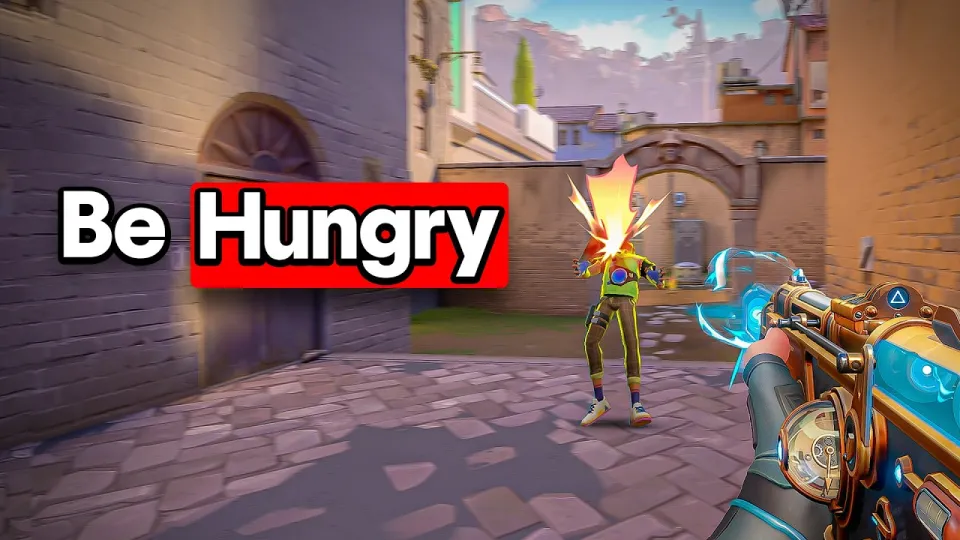
Video: How to Get So Good at Valorant it Feels Like Smurfing
Want articles like this for your own video to promote it on YouTube and Google? Order them through the Telegram bot @sat_sit_bot. Articles with your video embedded are written and posted by the bot itself — on popular topical sites (no ads). Free trial — 50 articles.
· based on the channel Konpeki
Key takeaways
- React to the enemy instead of pre-aiming a guess: hold an angle, let them appear, then flick and fire.
- Stay unpredictable: never repeat the same peek, timing, or position twice in a row.
- Train movement and counter-strafe in the Range daily; one tap per direction, stopping or switching A-D.
- Climb is a volume game: play enough ranked games per week to make your improvements show up in RR.
- Konpeki's Immortal Roadmap Program promises 5 divisions in 10 weeks via roadmap.gg/v/lUfrMRb74SE.
You get so good at Valorant that it feels like smurfing by making your gunfights reactive instead of predictive: hold an angle, let the enemy walk into your crosshair, and fire the moment they appear. Layer that with unpredictable movement, daily Range drills, and a ranked routine you actually repeat, and lower-ranked lobbies start to look like bot lobbies. This is the core of the coaching approach in Konpeki's guide How to Get So Good at Valorant it Feels Like Smurfing, and you can apply it without buying a new account.
Why reaction beats prediction in Valorant gunfights
Most players below Immortal lose duels because they guess where the enemy will be instead of reacting to where the enemy actually is. The fix is a mindset shift: stop trying to out-think your opponent and start out-reacting them. When you hold an angle, your crosshair should sit at head level on the edge of the wall, and your job is simply to click when a body enters it. That is why a Diamond player can look like a smurf in Gold: not because their aim is superhuman, but because they wait for information instead of committing to a read. The practical version of this is:
- Pick one angle and hold it with your crosshair already at head height.
- Do not swing until you have a reason (sound, utility, teammate contact).
- When the enemy appears, micro-adjust and fire; do not strafe into the open first.
- If you miss, reposition instead of re-peeking the same angle.
This single habit removes the most common death in low elo: wide-swinging into three enemies because you assumed only one was there.
How to make your movement unpredictable
The second pillar of feeling like a smurf is movement that gives the enemy nothing to pre-aim. Predictable players strafe the same distance, peek the same corner, and crouch-spray on autopilot, which is exactly what good opponents punish. Unpredictable movement means varying your peek type, your timing, and your position every round. Some concrete rules:
- Alternate between wide swings, short peeks, and jiggle peeks; never use the same one twice in a row.
- Change your timing: sometimes peek instantly, sometimes wait three seconds, sometimes rotate away entirely.
- Counter-strafe before you shoot so your first bullet is accurate, then re-strafe instead of standing still.
- Use crouch sparingly; a crouched player is a stationary target for a good flick.
A viewer in the comments summed the whole video up as "react to the enemy and stay unpredictable," and that is genuinely the mechanical core of the smurf feeling. You are not faster than everyone; you are harder to read.
Daily Range drills that build smurf-level mechanics
Mechanics are trainable, and the Range is where you build the reaction habit before you take it into ranked. The goal is not a high score in Hard bots; it is making stop-and-shoot automatic. A short daily routine beats a long occasional one:
- Strafe-and-tap: move left and right with A and D, firing one tap each time your movement switches direction. This trains counter-strafe timing.
- Bot flicks: set bots to appear at random distances and only shoot once you have confirmed the head hitbox.
- Spray control: empty a magazine into the wall and compare the pattern to the recoil you actually control in fights.
- Movement error: some players enable the movement error multiplier and lower it to around 0.5 so they can see exactly how much accuracy they lose while moving, then practice eliminating that loss.
A common question is whether you should fully release movement keys before firing or keep alternating A and D nonstop. Both work, but the honest answer is that you should practice until your shots land while your character is briefly stopped, because that is the state you will be in during real duels. Ten focused minutes a day for two weeks will show up more in your rank than ten hours of mindless deathmatch.
Ranked habits that separate smurfs from stuck players
A smurf is not just mechanically better; they also make better decisions about when to fight. In ranked, the players who climb fastest are the ones who take high-percentage duels and refuse low-percentage ones. That means:
- Play your life: dying for free on defense is the fastest way to lose a half.
- Trade teammates instead of baiting them; a 1-for-1 is always better than a 0-for-1.
- Use utility to create the duel you want, then take it with a reaction, not a guess.
- Review one lost round per session and name the single decision that cost it.
The comment section of the video is full of players asking how to translate practice into rank, and the answer is volume plus review. You need enough games per week for your improved reactions to actually matter, and you need to look at your own deaths honestly. One viewer noted they ranked up to Diamond after following this kind of coaching, which is a realistic outcome of consistent, structured practice rather than a magic trick.
Common questions from players trying to smurf their own rank
Players watching the guide raise several recurring doubts, and they are worth addressing directly because they decide whether the advice works for you. The first is platform: the same reaction-based principles apply on console, but controller aim assist changes the feel of counter-strafing, so you should drill movement separately. The second is time investment: there is no shortcut that skips the Range, but fifteen minutes of deliberate practice is enough to build the habit if you do it every day. The third is mentality: treating ranked like a sport with a simple plan, as one commenter compared it to a jiu-jitsu match, keeps you from tilting after a bad round. And the fourth is consistency: the players who feel like smurfs are the ones whose movement, crosshair placement, and decision-making all point the same direction, round after round.
Useful links from the guide
- Immortal Roadmap Program (5 divisions in 10 weeks guaranteed): https://roadmap.gg/v/lUfrMRb74SE
- Free coaching resources and office hours on Discord: https://www.discord.gg/UnRETVmRpV
- Twitch: https://www.twitch.tv/konpekichan
- Twitter: https://twitter.com/coachpeki
- TikTok: https://www.tiktok.com/@coachpeki
Final thoughts on playing like a smurf
Getting so good at Valorant that it feels like smurfing is not about a secret sensitivity or a new account; it is about reacting instead of predicting, moving unpredictably, and drilling the basics until they are automatic. Konpeki's breakdown makes the point that simple, repeatable habits beat complicated strategies, and the viewers who actually apply them are the ones who climb. If you want structure instead of solo grinding, the Immortal Roadmap Program at roadmap.gg/v/lUfrMRb74SE is the coaching path offered by the channel, with a guarantee of five divisions in ten weeks. Start with one habit today, hold your angle and react, and your next ranked session will already feel different.
Questions & answers
How long does it take to get good enough at Valorant to feel like a smurf?
It depends on how consistently you practice, but most players see a real mechanical shift after two to four weeks of daily Range work combined with regular ranked games. The reaction habit and counter-strafe timing are the fastest things to improve because they are trainable in short sessions. Rank gains follow once those mechanics show up in real duels.
Should I stop moving completely before shooting in the Range drill?
You can either fully release the movement keys or switch direction with A and D, but the important part is that your shot lands while your character is briefly stationary. Practice both so you are comfortable stopping on demand in a real fight. Some players lower the movement error multiplier to around 0.5 to see exactly how much accuracy they lose while moving.
Does this smurfing advice work for console players on PS5 or Xbox?
Yes, the core ideas of reacting instead of predicting and staying unpredictable apply on console too. Controller aim assist changes how counter-strafing feels, so you should spend extra time on movement drills. The decision-making habits, like playing your life and trading teammates, transfer directly.
Is the Immortal Roadmap Program the only way to improve, or can I do it for free?
You can absolutely improve for free by drilling the Range daily and reviewing one lost round per session. The Immortal Roadmap Program at roadmap.gg/v/lUfrMRb74SE is a structured option that promises five divisions in ten weeks for players who want coaching and accountability. Free resources and office hours are also available on Konpeki's Discord.
Source: How to Get So Good at Valorant it Feels Like Smurfing · Markdown version