Marvel Rivals vs Overwatch 2 for a returning hero shooter player and why the 6v6 chaos wins
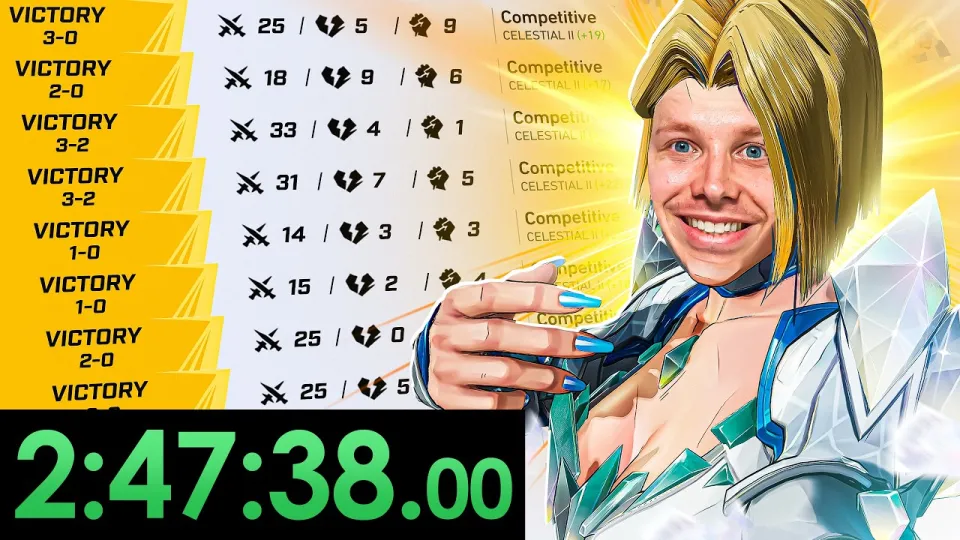
Video: IF I LOSE, THE VIDEO ENDS... (Marvel Rivals)
Want articles like this for your own video to promote it on YouTube and Google? Order them through the Telegram bot @sat_sit_bot. Articles with your video embedded are written and posted by the bot itself — on popular topical sites (no ads). Free trial — 50 articles.
· based on the channel Jay3
Key takeaways
- Marvel Rivals launched in December 2024 as a free-to-play 6v6 hero shooter from NetEase Games.
- The roster exceeds 30 heroes split into Vanguard, Duelist and Strategist roles.
- Team-Up abilities give bonus effects when specific hero pairs are picked together.
- Jay3 is a former Overwatch Grandmaster player who now covers Marvel Rivals on his channel.
- His challenge format ends the video the moment he loses a match.
Marvel Rivals is the better pick for a returning hero shooter player who wants the 6v6 format back, because it restores two full teams of six, adds Team-Up abilities that reward coordinated picks and keeps matches fast and loud. Overwatch 2 remains the more polished, more balanced competitive game, but Marvel Rivals is where the chaos, the hero variety and the comeback moments live. You can watch Jay3 test that claim live on his Twitch channel, where the lose-and-end format gets its full run.
Marvel Rivals vs Overwatch 2 in a straight comparison
Marvel Rivals wins on format and spectacle, while Overwatch 2 wins on polish and competitive clarity. The core difference is team size: Marvel Rivals runs 6v6, the structure Overwatch abandoned when it moved from Overwatch 1 to Overwatch 2's 5v5. For players who grew up on two tanks, two supports and two damage dealers, that alone changes how every fight feels.
The second difference is the hero pool. Marvel Rivals ships with more than 30 heroes at launch, split into Vanguards (tanks), Duelists (damage) and Strategists (support). Overwatch 2's roster is comparable in size but far more settled after years of balance patches. Marvel Rivals still swings wildly between overpowered and underwhelming heroes, which is exactly why highlight reels from the game are so entertaining and why ranked ladders feel volatile.
The third difference is the map layer. Marvel Rivals maps are destructible in places, so cover disappears and sightlines open mid-fight. Overwatch 2 maps are static and predictable. Neither is objectively better, but destructible terrain produces the kind of improvisation that makes a challenge video like Jay3's tense.
Why the lose-and-end format fits Marvel Rivals so well
A single loss ending the video works in Marvel Rivals because the game produces sudden, readable collapses. A team can hold a point for two minutes, then lose it to one well-timed Team-Up ultimate and never recover. That swinginess is a feature for content: every match carries real stakes without any editing tricks.
Jay3 built his audience on Overwatch, where he reached Grandmaster, and the transferable skill set is obvious. Aim, ultimate tracking and positioning carry over almost directly. What does not carry over is hero knowledge: Marvel Rivals' Team-Up bonuses mean the value of a pick depends on what your teammates choose, so a Grandmaster-level player can still get punished by a composition he has not studied.
Team-Up abilities and hero picks explained
Team-Up abilities are passive or active bonuses that activate when specific heroes are picked together, and they are the single biggest reason Marvel Rivals drafts feel different from Overwatch drafts. A Strategist paired with the right Duelist can gain a new escape tool or a damage boost that never appears in their base kit.
Practical consequences for anyone climbing:
- Check the Team-Up grid before locking a hero, not after.
- Treat a Team-Up pair as one pick, because two heroes that enable each other are worth more than two individually strong ones.
- Do not force a Team-Up with a random teammate who is already locked into a different role.
- On defense, prefer Team-Ups that add sustain; on attack, prefer ones that add burst.
The system also explains a common frustration in ranked: two players on the same team can pick the same tank hero and produce wildly different results depending on whether the support line completes their Team-Up.
Typical player questions about Marvel Rivals ranked
Ranked anxiety in Marvel Rivals centers on teammates rather than the game itself. Players regularly report matches decided by a single teammate who refuses to swap, picks a third Duelist into a losing composition, or uses a portal or teleport ability in a way that actively harms the team. That is not unique to Marvel Rivals, but the 6v6 format amplifies it: one bad player out of six is a smaller share of the team than one out of five, yet the extra body also means extra ultimate charge feeding the enemy.
The practical answer is to play around the composition you have rather than the one you wanted. Lock a Strategist early if the lobby is filling with Duelists, use voice or text to name the Team-Up you can complete, and accept that some matches are lost in the hero-select screen. Players who treat ranked as a sample of many games rather than a single verdict climb faster.
Where to follow Jay3 and his Marvel Rivals content
Jay3 publishes Marvel Rivals and Overwatch gameplay across several channels, with the main hub being his live stream. The full set of links from the video:
His channel lineup also includes a main YouTube channel, a second channel, a gameplay channel, a variety channel, a VODs channel and an IRL channel, so the lose-and-end style challenge runs sit alongside longer ranked sessions and full match archives.
Conclusion
Marvel Rivals is the stronger choice for anyone who missed 6v6 hero shooter play, and Overwatch 2 is still the sharper competitive product. The comparison comes down to what you want from a session: readable balance and years of tuning, or destructible maps, Team-Up combinations and matches that flip on one ultimate. Jay3's challenge format, where a single loss ends the video, is a good stress test of exactly that volatility, and the breakdown above is his channel's take on the game in practice. If you want to see the next run live, join him at twitch.tv/jay3.
Questions & answers
Is Marvel Rivals a copy of Overwatch 2?
No. Both are hero shooters with role-based rosters, but Marvel Rivals runs 6v6, uses Team-Up abilities tied to specific hero pairs and features destructible map elements. Overwatch 2 runs 5v5 with a longer-established balance history and no Team-Up system.
Do Overwatch skills transfer to Marvel Rivals?
Aim, ultimate tracking and positioning transfer almost directly, which is why experienced Overwatch players climb quickly at first. Hero knowledge does not transfer: Team-Up bonuses change the value of every pick, so players still need time to learn compositions.
How many heroes does Marvel Rivals have?
The roster launched with more than 30 heroes divided into Vanguards, Duelists and Strategists. That is comparable to Overwatch 2's roster size, though Marvel Rivals' balance shifts far more between patches.
Why do so many Marvel Rivals ranked games feel decided by teammates?
The 6v6 format means one player refusing to swap or misusing a portal ability can hand the enemy team a decisive advantage. Playing around the composition you actually have and locking a Strategist early reduces the damage a bad pick does.
Source: IF I LOSE, THE VIDEO ENDS... (Marvel Rivals) · Markdown version