Rust Solo Survival Next to Oil Rig
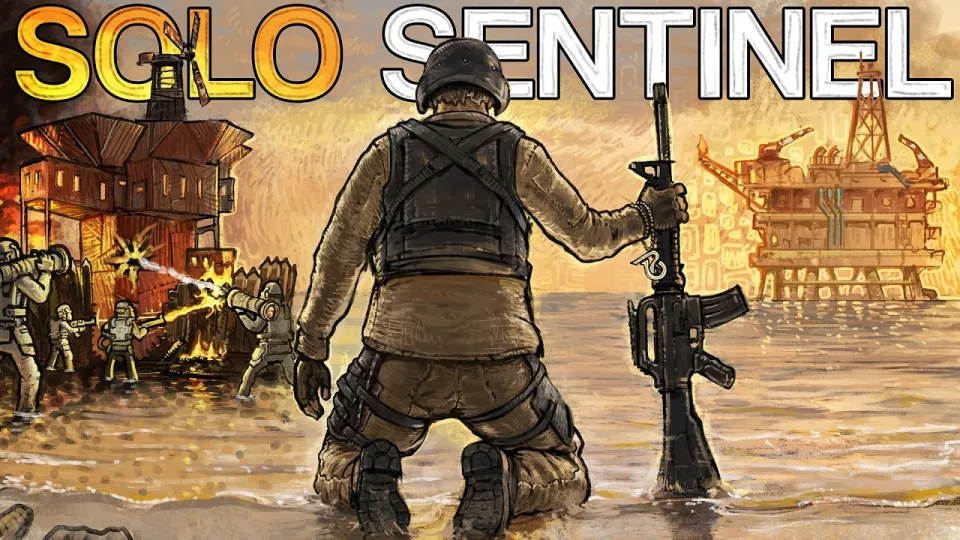
Video: The Solo Sentinel - Rust
Want articles like this for your own video to promote it on YouTube and Google? Order them through the Telegram bot @sat_sit_bot. Articles with your video embedded are written and posted by the bot itself — on popular topical sites (no ads). Free trial — 50 articles.
· based on the channel Blooprint
Key takeaways
- Blooprint built a solo base directly next to Oil Rig instead of hiding in a quiet corner of the map.
- The run is a fresh-wipe snowball: primitive gear first, then tier 2 and tier 3 loot taken from contested monuments.
- Defense relies on turrets, sealed loot rooms and a layout that punishes raiders arriving from the water.
- Raids arrived late at night, including a rocket push from a group that was logging off for the night.
- The video is a narrative solo film rather than a team wipe recap, published on 13 July 2026.
Rust solo survival next to Oil Rig is about claiming the most contested real estate on the map alone and defending it with turrets, sealed loot rooms and constant repositioning. In "The Solo Sentinel", Blooprint builds a solo base within sight of Oil Rig, snowballs from primitive gear into tier 2 and tier 3 loot, and then holds the compound against groups pushing rockets late at night. The stream is live at Blooprint on Twitch, where the full run and the follow-up wipes are played out.
What makes a solo base next to Oil Rig so risky
Oil Rig is a magnet for groups because it pays out military crates, elite crates and heavy scientist loot, so a base on its doorstep sits on the main traffic route of the server. A solo who builds there gets three things at once: fast access to the monument, constant foot traffic to farm, and a permanent target on the base. The upside is tempo — you can chain Oil Rig runs, recycle the junk, and convert loot into defenses before the neighbours finish their first tier 2 bench. The downside is that every group passing by sees your compound, and on a fresh wipe that means raid pressure within the first day or two.
The practical answer is to treat the base as a defensive structure first and a storage box second: stone or metal shells, turrets covering the approach, and nothing valuable in the rooms a raider reaches first.
The snowball route from prim gear to tier 3
A solo snowball on a fresh wipe follows a simple order of operations, and the Oil Rig base only works if the early steps are fast.
- Spawn, grab cloth and wood, and get a small starter down before the first night.
- Push to tier 1 tools and a basic weapon quickly, then farm the components needed for a tier 2 bench.
- Take the first Oil Rig run as soon as you can survive the scientists — even a partial clear pays for the bench.
- Convert the first good loot into turrets, doors and a metal core rather than into vanity upgrades.
- Use the monument traffic to keep restocking: every group that fights near Oil Rig leaves loot behind.
The narrative appeal of this style is exactly what viewers keep asking for: progression that is earned on camera, not a 20-minute jump to a fully loaded tier 3 base. A solo who reaches tier 3 through contested monuments has a story attached to every item in the boxes.
Base design and defense under pressure
A solo base near a monument lives or dies on its layout, and the design choices in this run are worth copying.
- Turret coverage on the water side. Raiders approaching from the sea or the shoreline are the most common threat near Oil Rig, so turrets angled at the beach do more work than turrets pointed inland.
- Sealed loot rooms. Splitting loot across several small sealed rooms means a single wall blown open does not end the wipe. The community shorthand for this is sealing mats in every room, and it holds up.
- Shallow, confusing interior. Short corridors and false doors slow a raider down and buy time for a respawn and a flank.
- Upkeep buffer. A base this exposed needs enough upkeep in the tool cupboard that a bad day does not decay it while you are offline.
Defense is not only structural. Holding ground in a solo wipe also means knowing when to fight, when to let a group take the crates, and when to counter-raid the players who just spent rockets on your doors.
Late-night raids and how solos answer them
Raids on a monument-side solo base rarely come at a convenient hour. In this run the pressure arrives around 3:30 AM, when a group sends rockets at the compound while getting ready to log off — the classic "one last raid" push. The defense answer is unglamorous: keep turrets loaded, keep a respawn bag in a hidden spot outside the base, and keep a small counter-raid kit ready so that the moment the raiders leave, you can follow them home.
A solo does not need to win the exchange of rockets. Trading one wall for the location of a raider's base, then hitting it while they sleep, is often the better trade. The other lesson is psychological: raiders who meet turrets, sealed rooms and an active defender frequently give up before the core, which is a win even when the front wall falls.
Why solo Rust content connects with viewers
Solo videos work because the creator talks to the audience instead of to teammates, explaining the reasoning behind every farm run, rotation and turret placement. That play-by-play turns a survival game into a narrative: the viewer sees the plan, the setback and the recovery. Group content shows execution and comms, but it hides the decision-making that makes Rust interesting to watch. The same reason explains why viewers keep asking for more solo series and for unusual projects — cave bases, monument-side compounds, fresh-wipe snowballs — rather than another fast tier 3 speedrun. "The Solo Sentinel" fits that demand: one player, one base, one very busy neighbourhood.
Questions solo players ask about monument bases
Building next to Oil Rig is a commitment, and the most common doubts are about timing, defense and whether the loot is worth the attention. The short version: build small, build early, keep the loot split, and expect company every single day of the wipe. The detailed answers are in the FAQ below.
All links from the video
- Twitch: https://www.twitch.tv/blooprint
- Kick: https://kick.com/blooprint
- TikTok: https://www.tiktok.com/@blooprintgames
- Twitter: https://twitter.com/blooprintgames
- Discord: https://discord.gg/blooprint
Final thoughts on the solo sentinel approach
"The Solo Sentinel" is a compact case study in solo Rust: pick a high-traffic monument, build a defensible compound, snowball through contested loot and accept that the raids will come at 3:30 AM. The video was published on 13 July 2026 by Blooprint, whose channel specializes in exactly this kind of narrative solo wipe, and the run shows both the payoff and the cost of living next to Oil Rig. For players tired of quiet corners and empty monuments, it is a template worth copying. Follow the next wipe live at Blooprint's Twitch channel.
Questions & answers
Is it viable to build a solo base right next to Oil Rig?
Yes, but only with the right order of operations. You need a small, cheap starter first, a fast push to a tier 2 bench, and turrets covering the water approach before the first night. The base pays for itself through constant monument loot, but it also draws constant attention, so treat it as a defensive structure rather than a storage box.
How do you defend a solo base against a group with rockets?
Use turrets on the exposed sides, split loot into several sealed rooms, and keep a hidden respawn bag outside the compound so you can re-enter after a wall falls. Raiders often stop once the first rooms are empty and turrets keep firing, so making the raid expensive is usually enough.
Why do viewers prefer solo Rust videos over group content?
Solo videos keep the creator talking directly to the audience, explaining rotations, farm priorities and base decisions. Group content replaces that with team comms, which hides the decision-making. That is why solo snowball runs and unusual base projects get requested more than fast tier 3 progression.
What should a solo player do after being raided near a monument?
Save a small counter-raid kit, note where the raiders came from, and hit their base while they are offline or distracted. Trading one lost wall for the location of an enemy base is often better value than trying to rebuild the same compound immediately.
Source: The Solo Sentinel - Rust · Markdown version